
IT’S POSSIBLE TO MANAGE THIS INFLAMMATORY SKIN CONDITION; HERE’S WHAT THE EXPERTS ADVISE.
Seborrheic dermatitis is a common inflammatory skin condition characterised by flaky, scaly patches.
The term “seborrheic” refers to areas of skin with a higher concentration of sebaceous (oil-producing) glands. Despite this association, the condition isn't always oily and can also present with dry, flaky skin.
Signs and Symptoms
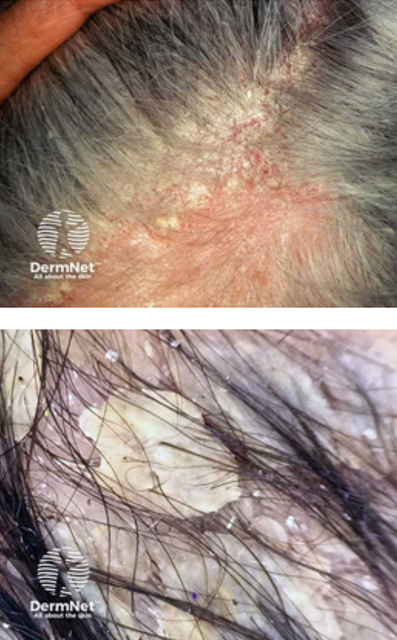
The primary sign is scalp scaling, which may range from fine, subtle flaking to more noticeable build-up.
In more inflamed cases, crusting can form over a red, moist, or occasionally weeping scalp.
Scales are typically yellowish and may thicken as the condition progresses, often with itching or sensitivity.
While it can involve the entire scalp, it most commonly appears along the hairline, scalp margins, and behind the ears.
Seborrheic dermatitis may also extend beyond the scalp, affecting other sebaceous (oil-rich) areas such as the eyebrows, sides of the nose, ears, chest, and back.
In some cases, it can appear in skin folds, including the underarms, groin, and flexural areas such as the elbows and knees
Why Does It Occur?
Seborrheic dermatitis is a multifactorial condition; while individual cases may reveal an underlying cause, it is generally driven by a combination of biological, environmental, and immune-related factors.
Malassezia, a yeast that naturally lives on the skin, plays a key role in seborrheic dermatitis. In some people, the skin’s immune response to this yeast can contribute to inflammation in oil-rich areas, even without excessive sebum production. Genetic predisposition may also contribute, although the exact cause remains unclear.
The adult form typically develops from adolescence onwards. In babies, seborrhoeic dermatitis can appear as cradle cap, which usually clears within the first year of life
Stress, illness, hormonal changes, sweating, diet, and a compromised skin barrier may trigger flare-ups. It is also more frequently seen in individuals with neurological or immunological conditions such as Parkinson’s disease and HIV, and may overlap with scalp psoriasis in some cases.
Environmental factors, particularly cold or dry climates, may further aggravate symptoms.
How is it Treated?
Seborrheic dermatitis is a chronic, relapsing condition. While there is no cure, appropriate treatment and management can usually control it well.
Management typically begins with medicated antifungal shampoos containing active ingredients such as ketoconazole, selenium sulphide, coal tar, zinc pyrithione, or salicylic acid. These active ingredients reduce Malassezia yeast activity, calm inflammation, and help control visible scaling. They are often used more frequently during active flare-ups before transitioning to a maintenance routine once symptoms settle.
Because seborrheic dermatitis is a chronic, relapsing condition, professional guidance is recommended if symptoms persist or recur. A GP may assess the condition and, where appropriate, prescribe treatments such as topical corticosteroids or oral antifungal medication to help bring symptoms under control.
Alongside this, a trichologist can develop a tailored care plan and provide in-clinic trichological treatments to help manage flare-ups and support longer-term scalp health.
Lifestyle and Inflammation in Seborrheic Dermatitis
Inflammation is a natural immune response that protects the body from injury and infection. However, when it becomes prolonged or imbalanced, it may contribute to ongoing skin conditions, including seborrheic dermatitis.
Anti-Inflammatory diet: Dietary influences vary among individuals, although certain foods and drinks are commonly reported as potential triggers of seborrheic dermatitis, including dairy products, shellfish, nuts, chocolate, spicy foods, and alcohol such as white wine. These associations are not consistent across all cases, but may help identify individual flare patterns. More broadly, a diet centred on whole, minimally processed foods, including vegetables, fruit, legumes, nuts, whole grains, and oily fish, often supports overall skin and scalp health.
Long-term scalp care: When the scalp is not in an active flare, gentle, regular cleansing with a mild or hypoallergenic shampoo can help maintain a balanced scalp environment and prevent build-up over time. Conditioning through the mid-lengths and ends of the hair helps preserve softness and moisture, supporting overall hair health without compromising scalp comfort.
Be mindful: Stress is increasingly recognised as a potential exacerbating factor. Periods of heightened stress may influence inflammatory pathways in the body, and approaches such as mindfulness or meditation may help support a more balanced response over time.


© 2026 The Hair Consultancy